
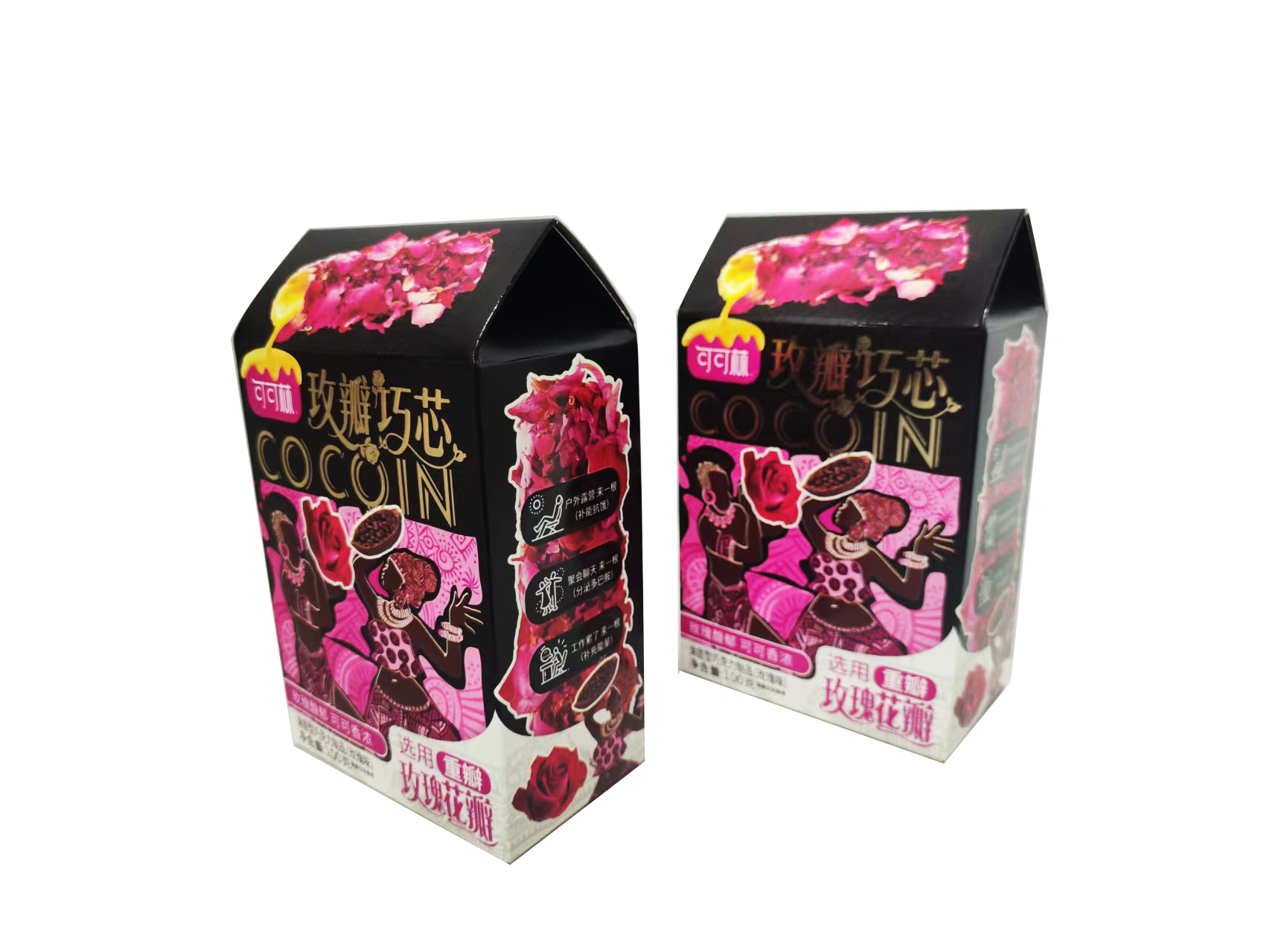
When it comes to chocolate packaging boxes, the significance of design and function cannot be overstated. Packaging serves as the first point of interaction between your product and the consumer, making it crucial to choose the right materials and designs that reflect the quality of your chocolate. Here, we explore the critical aspects of creating an enticing packaging solution that not only protects your confections but also elevates their presentation.
**1. Material Selection:**
The choice of material is fundamental in the production of chocolate packaging boxes. Common materials include cardboard, paperboard, and specialty papers, each offering unique benefits. Cardboard is known for its sturdiness and ability to protect delicate chocolates during transit. On the other hand, paperboard provides a lightweight option that can be easily printed on, enhancing the aesthetic appeal through branding and graphics. Additionally, biodegradable materials are becoming increasingly popular, aligning with eco-conscious consumer trends.
**2. Design and Aesthetics:**
The visual appeal of your chocolate packaging box is a vital factor in attracting customers. Consider the use of colors, typography, and imagery that resonate with your brand identity. A well-designed box can communicate the quality and sophistication of your chocolates. Incorporating transparent windows can also create an inviting view of the product inside, enticing customers to indulge.
**3. Size and Structure:**
Determining the right size for your chocolate packaging box is essential. It should accommodate the chocolates snugly to minimize movement while allowing for easy opening. Various structural designs, such as tuck-end boxes or slide-out trays, can enhance user experience. These structures not only provide functionality but can also create an element of excitement when opening the package.
**4. Sustainability:**
As consumers become more environmentally conscious, sustainable packaging options are gaining traction. Using recycled materials, minimalistic designs, and eco-friendly inks can significantly reduce your ecological footprint. Highlighting these sustainable practices on your packaging can also appeal to ethically-minded consumers, enhancing your brand’s reputation.
**5. Trends in Packaging:**
Keeping up with packaging trends is essential for staying competitive in the market. For instance, personalized packaging is gaining popularity, where customers can customize their boxes for special occasions. Additionally, interactive packaging, which may include QR codes linking to recipes or brand stories, is becoming a unique way to engage consumers beyond the product itself.
In conclusion, chocolate packaging boxes play a significant role in the marketability of your products. By focusing on material selection, design, size, sustainability, and current trends, you can create packaging that not only protects your chocolates but also makes a lasting impression on your customers. Investing time and resources into thoughtful packaging will ultimately enhance the perceived value of your product and strengthen your brand in the crowded confectionery landscape.
**1. Material Selection:**
The choice of material is fundamental in the production of chocolate packaging boxes. Common materials include cardboard, paperboard, and specialty papers, each offering unique benefits. Cardboard is known for its sturdiness and ability to protect delicate chocolates during transit. On the other hand, paperboard provides a lightweight option that can be easily printed on, enhancing the aesthetic appeal through branding and graphics. Additionally, biodegradable materials are becoming increasingly popular, aligning with eco-conscious consumer trends.
**2. Design and Aesthetics:**
The visual appeal of your chocolate packaging box is a vital factor in attracting customers. Consider the use of colors, typography, and imagery that resonate with your brand identity. A well-designed box can communicate the quality and sophistication of your chocolates. Incorporating transparent windows can also create an inviting view of the product inside, enticing customers to indulge.
**3. Size and Structure:**
Determining the right size for your chocolate packaging box is essential. It should accommodate the chocolates snugly to minimize movement while allowing for easy opening. Various structural designs, such as tuck-end boxes or slide-out trays, can enhance user experience. These structures not only provide functionality but can also create an element of excitement when opening the package.
**4. Sustainability:**
As consumers become more environmentally conscious, sustainable packaging options are gaining traction. Using recycled materials, minimalistic designs, and eco-friendly inks can significantly reduce your ecological footprint. Highlighting these sustainable practices on your packaging can also appeal to ethically-minded consumers, enhancing your brand’s reputation.
**5. Trends in Packaging:**
Keeping up with packaging trends is essential for staying competitive in the market. For instance, personalized packaging is gaining popularity, where customers can customize their boxes for special occasions. Additionally, interactive packaging, which may include QR codes linking to recipes or brand stories, is becoming a unique way to engage consumers beyond the product itself.
In conclusion, chocolate packaging boxes play a significant role in the marketability of your products. By focusing on material selection, design, size, sustainability, and current trends, you can create packaging that not only protects your chocolates but also makes a lasting impression on your customers. Investing time and resources into thoughtful packaging will ultimately enhance the perceived value of your product and strengthen your brand in the crowded confectionery landscape.