
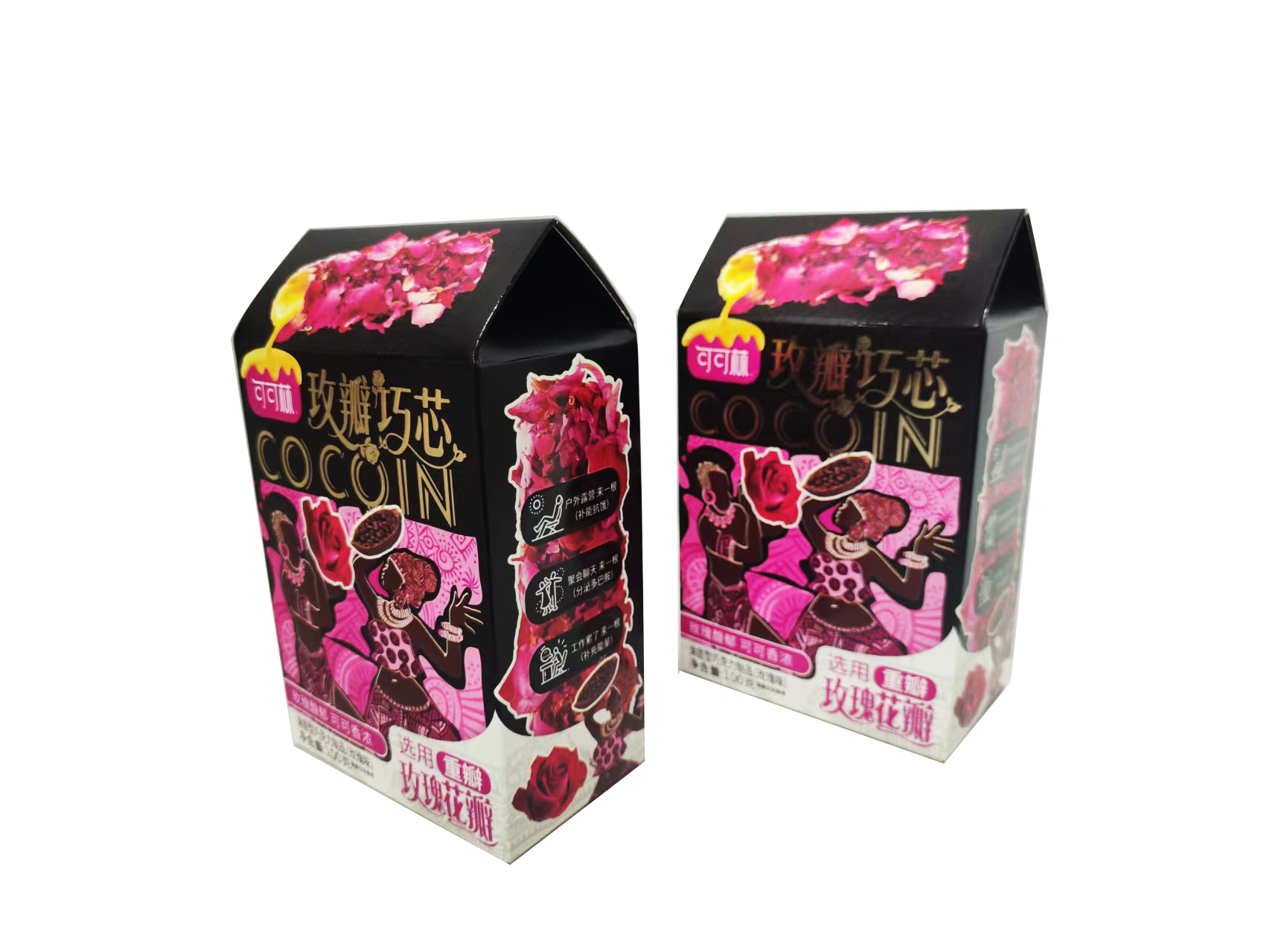
When it comes to chocolate, the first impression often begins with its packaging. Chocolate packaging boxes are not just containers; they play a crucial role in preserving the product's quality and enhancing its visual appeal. Proper packaging can elevate the perceived value of the chocolates, making them more attractive to consumers. In this article, we will explore the various dimensions of chocolate packaging boxes that are essential for both manufacturers and consumers.
First and foremost, the design of chocolate packaging boxes is key. The packaging must reflect the essence of the product inside. Creative and eye-catching designs can draw attention on store shelves, enticing potential buyers. Elements like color, typography, and imagery all contribute to the overall aesthetic appeal. For instance, rich, dark colors might evoke a sense of luxury and indulgence, while lighter tones can suggest a more playful or health-conscious product.
Moreover, the functionality of chocolate packaging boxes cannot be overlooked. They must protect the chocolates from environmental factors such as light, moisture, and temperature fluctuations. High-quality materials like rigid cardboard, foil linings, and even biodegradable options can enhance the protective qualities of the packaging while also appealing to eco-conscious consumers. There is a growing trend toward sustainable packaging solutions, and many brands are exploring options that minimize environmental impact without compromising on functionality.
In addition to design and protection, the unboxing experience has become an important aspect of chocolate packaging. Consumers today value experiences and storytelling, and packaging can be a part of that narrative. Innovative designs that include features like magnetic closures, custom inserts, or even reusable boxes can enhance the overall experience, making the chocolate feel like a gift rather than just a treat.
Furthermore, labeling and branding are crucial components of chocolate packaging boxes. Clear and informative labels not only help in communicating the product's ingredients and nutritional information but also tell the brand's story. This transparency builds trust with consumers who are increasingly looking for quality and authenticity in their food products.
Finally, as sustainability becomes more significant in consumer purchasing decisions, brands are encouraged to consider eco-friendly packaging options. Utilizing recyclable materials, reducing waste in the packaging design, and being transparent about sustainable practices can resonate with today’s environmentally conscious consumers.
In conclusion, chocolate packaging boxes serve multiple purposes: they attract attention, protect the product, enhance the consumer experience, and communicate the brand's values. By focusing on creative design, functional materials, and sustainability, brands can create packaging that not only preserves the quality of their chocolates but also captivates and engages consumers effectively.
First and foremost, the design of chocolate packaging boxes is key. The packaging must reflect the essence of the product inside. Creative and eye-catching designs can draw attention on store shelves, enticing potential buyers. Elements like color, typography, and imagery all contribute to the overall aesthetic appeal. For instance, rich, dark colors might evoke a sense of luxury and indulgence, while lighter tones can suggest a more playful or health-conscious product.
Moreover, the functionality of chocolate packaging boxes cannot be overlooked. They must protect the chocolates from environmental factors such as light, moisture, and temperature fluctuations. High-quality materials like rigid cardboard, foil linings, and even biodegradable options can enhance the protective qualities of the packaging while also appealing to eco-conscious consumers. There is a growing trend toward sustainable packaging solutions, and many brands are exploring options that minimize environmental impact without compromising on functionality.
In addition to design and protection, the unboxing experience has become an important aspect of chocolate packaging. Consumers today value experiences and storytelling, and packaging can be a part of that narrative. Innovative designs that include features like magnetic closures, custom inserts, or even reusable boxes can enhance the overall experience, making the chocolate feel like a gift rather than just a treat.
Furthermore, labeling and branding are crucial components of chocolate packaging boxes. Clear and informative labels not only help in communicating the product's ingredients and nutritional information but also tell the brand's story. This transparency builds trust with consumers who are increasingly looking for quality and authenticity in their food products.
Finally, as sustainability becomes more significant in consumer purchasing decisions, brands are encouraged to consider eco-friendly packaging options. Utilizing recyclable materials, reducing waste in the packaging design, and being transparent about sustainable practices can resonate with today’s environmentally conscious consumers.
In conclusion, chocolate packaging boxes serve multiple purposes: they attract attention, protect the product, enhance the consumer experience, and communicate the brand's values. By focusing on creative design, functional materials, and sustainability, brands can create packaging that not only preserves the quality of their chocolates but also captivates and engages consumers effectively.